
Controls
About this game
Core Challenge
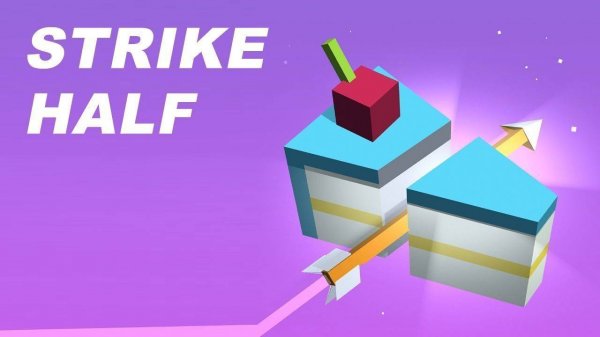
At its heart, this puzzle game asks players to launch a projectile from a fixed launcher and strike a target object so that it breaks into two identical halves. The twist lies in the environment: each level is filled with walls, angled bumpers, and moving platforms that redirect the projectile in unexpected ways. Success depends on reading the layout, calculating the right angle, and applying just enough force to reach the target cleanly. Every attempt teaches something new about the physics at play.
Level Design Philosophy
Levels progress from simple straight shots to complex arrangements that require multiple bounces and careful timing. Early puzzles introduce a single wall or bumper, allowing players to understand how the projectile reacts. Later stages add moving obstacles that shift positions, forcing players to time their launch precisely. The difficulty curve is gentle, ensuring that newcomers can learn the basics while experienced players find fresh challenges. Each puzzle feels like a compact riddle waiting to be solved.
Controls and Interaction
Interaction is streamlined to a single tap or click. Players aim by dragging from the launcher, then release to fire. The projectile moves realistically, bouncing off surfaces and rolling across flat areas. There is no penalty for failure; players can retry as many times as needed. This low-pressure environment encourages experimentation. Trying different angles or power levels often reveals a path that was not obvious at first glance. The controls are responsive and intuitive, making the game accessible to players of all ages.
Visual and Audio Atmosphere
The visual style is clean and uncluttered, with bright colors that make each element easy to distinguish. Targets are clearly marked, and obstacles have distinct shapes that hint at their function. The audio feedback is minimal but helpful: a satisfying sound confirms a successful split, while a softer tone indicates a miss. The overall presentation is calm and focused, allowing players to concentrate on the puzzle without distraction. This design choice reinforces the game's role as a brain-training tool rather than a high-speed action experience.
Progression and Replay Value
As players advance, new mechanics appear gradually. Some levels introduce objects that can be moved by the projectile, while others require the projectile to pass through narrow gaps. Each new element adds depth without overwhelming the player. Because there is often more than one way to solve a puzzle, revisiting earlier levels with a different strategy can be rewarding. The game encourages a thoughtful, methodical approach, making it suitable for short play sessions or longer problem-solving marathons.
Compatibility
Screenshots
How To Play
Player Reviews
Precision Fragment Logic Game succeeds by focusing on a single, clever mechanic and executing it well. The physics feel consistent and satisfying, and the level design introduces new obstacles at a pace that keeps players engaged without overwhelming them. The lack of timers or scores is a strength, allowing players to think through each puzzle methodically. Visuals are clear and pleasant, and the controls are responsive. It is an excellent choice for anyone looking for a calm, brain-teasing experience that can be enjoyed in short bursts or longer sessions. The game respects the player's time and intelligence, making it a worthwhile addition to any puzzle fan's library.





Comments
Sign in to leave a review
Share your rating and tip other players.
No account? Create one
No comments yet.