
Controls
About this game
Core Light Cycle Mechanic
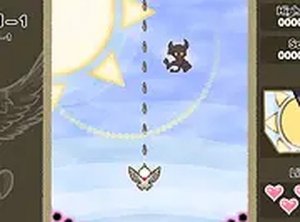
At the heart of this arcade experience lies a simple yet clever twist: the world shifts between two distinct visual states. During brighter periods, obstacles follow one set of trajectories, while darker phases introduce entirely different patterns. Players must monitor these transitions closely, as the same movement that works in one phase may lead to a collision in the next. This dual-state design keeps each session feeling fresh and prevents muscle memory from becoming a crutch.
Obstacle Patterns and Adaptation
The threats you face are not random. They arrive in organized waves that grow more intricate as you progress. Early encounters feature sparse, predictable lines, but later stages present layered formations that require split-second decisions. The key is to recognize how each light phase influences the spacing and speed of these obstacles. By studying the rhythm of the transitions, you can anticipate where safe zones will appear and plan your route accordingly.
Controls and Accessibility
Movement is handled through simple pointer or touch input. A single tap or click moves your character to that location, and there is a dedicated button to manually trigger a phase switch if needed. This control scheme makes the game approachable for newcomers while still offering depth for experienced players. The interface remains uncluttered, with only essential indicators displayed on screen, so you can focus entirely on navigation.
Progression and Difficulty Curve
The challenge escalates gradually. Early stages serve as a tutorial for understanding the relationship between light phases and obstacle behavior. As you advance, the speed of incoming obstacles increases, and the patterns become denser. Some later levels introduce overlapping waves that force you to switch phases mid-dodge. This natural difficulty curve ensures that players of all skill levels can find a rewarding point of engagement without feeling overwhelmed too quickly.
Visual and Audio Atmosphere
The art style uses a clean, vibrant palette that shifts between warm and cool tones depending on the current phase. Animations are smooth, and the background subtly changes to reinforce the transition without being distracting. Sound effects provide clear audio cues for phase changes and collisions, helping players who prefer auditory feedback. The overall presentation is polished but minimal, keeping the focus on gameplay rather than spectacle.
Replay Value and Mastery
Because each run is shaped by the dynamic phase system, no two attempts feel identical. Players who invest time will learn to predict obstacle patterns more accurately and time their phase switches with greater precision. The game rewards repeated play by offering a clear score metric that tracks improvement. For those seeking a deeper challenge, mastering the manual phase switch timing opens up advanced strategies that can dramatically extend survival.
Compatibility
Screenshots

How To Play
Player Reviews
Dusk Glide Reflex Challenge succeeds by making a single mechanic feel endlessly varied. The phase shift system forces you to stay alert and adapt, preventing the monotony that plagues many reflex games. Controls are responsive, and the difficulty curve is well-paced, offering a fair challenge without punishing beginners. The clean visuals and clear audio cues support the gameplay without distraction. For a free browser title, it delivers surprising depth and replay value.








Comments
Sign in to leave a review
Share your rating and tip other players.
No account? Create one
No comments yet.